Should You Upgrade from Panasonic Hc X1200 to Dwarflabs Dwarf Iii?
Choosing whether to upgrade camera systems is rarely a simple “yes” or “no.” Buyers balance image quality, workflow, ergonomics, and long-term flexibility against cost, existing accessories, and the types of projects they shoot. This article compares the Panasonic Hc X1200 — a traditional, professional handheld camcorder favored for run-and-gun production — with the Dwarflabs Dwarf Iii — a compact, cinema-oriented camera emphasizing modularity and image quality. It breaks down real-world use cases, strengths and weaknesses, and the practical questions a buyer should ask before making the switch.
Introduction: who these cameras are for
The Panasonic Hc X1200 has historically appealed to journalists, event videographers, and corporate shooters who prioritize simplicity: an all-in-one package with a long zoom, built-in XLR audio, and features tuned for ENG-style workflow. It is a tool for capturing dependable, repeatable results quickly.
The Dwarflabs Dwarf Iii positions itself toward creators who want a cinematic image, flexibility with lenses and accessories, and modern sensor and codec options—people making short films, narrative work, commercials, or high-end branded content where image quality and depth of field matter more than integrated zoom convenience.
In practice, many buyers considering an upgrade are moving from camcorders to mirrorless/cinema-style bodies because they want shallower depth of field, better low-light performance, and more control over picture characteristics. Others stick with camcorders because they value integrated controls, long zooms, and fast turnaround.
Detailed analysis: how they differ in everyday use
Ergonomics and handling
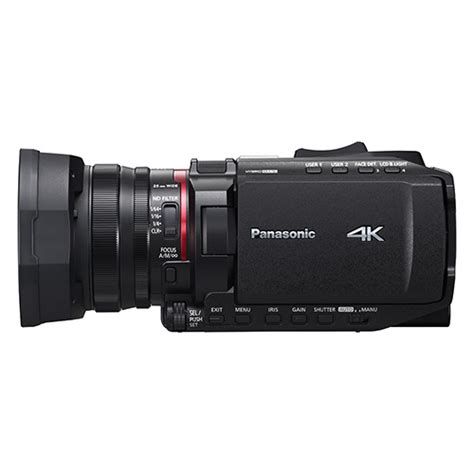
The Panasonic Hc X1200 is built around the camcorder tradition: a comfortable shoulder-friendly shape (or handheld with top-handle depending on model variants), integrated long zoom, and a menu and control layout designed for quick access during live shoots. This makes it fast to deploy for weddings, conferences, or news shoots where scenes change quickly and handheld zoom and consistent framing are important.
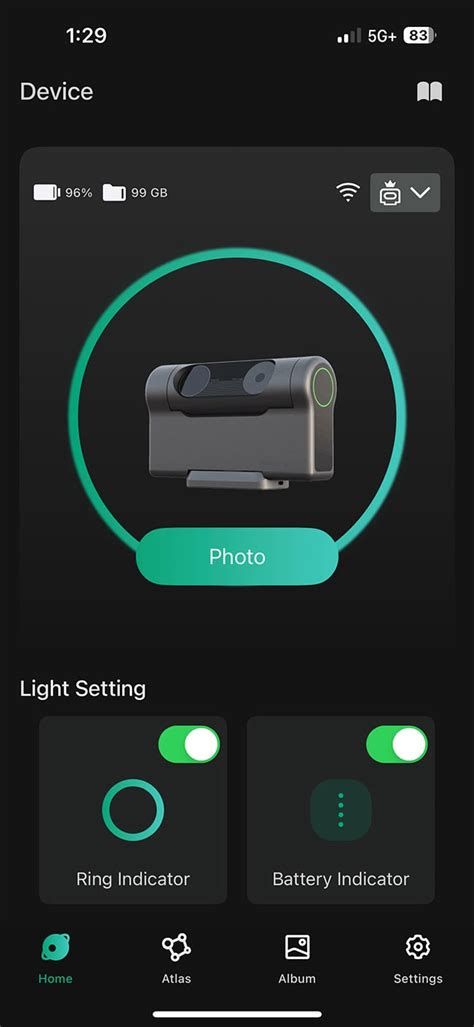
The Dwarflabs Dwarf Iii is designed as a modular imaging platform. Expect a smaller, lighter body oriented around interchangeable lenses and add-on accessories — cages, top handles, external recorders, and follow-focus systems. That modularity affords creative freedom (and better shallow-focus looks) but introduces extra setup time and added cost for lenses and accessories.
Image quality and creative control
Qualitatively, cinema-oriented cameras like the Dwarf Iii typically offer a larger sensor or a design optimized for higher dynamic range and more filmic color science. That translates into easier control of background separation, a broader look when grading, and often better performance in low light. The tradeoff is that achieving consistent results takes more expertise: exposure, lens choice, and color workflows have to be managed by the shooter.
The Hc X1200 emphasizes reliable, in-camera imagery: auto exposure and color profiles tuned for natural results, less need for heavy grading, and consistent color across long recording sessions. For production teams that deliver fast turnarounds, this workflow efficiency can outweigh the raw image potential of a cinematic body.
Lens system and framing options
One of the biggest practical differences is lens strategy. The Hc X1200’s integrated zoom lens is a convenience — long focal-length range, instant reframing, and no lens changes on location. It suits solo operators and live-event coverage where speed matters.
Shop the latest Cameras & Photography picks on Amazon.
See Deals →The Dwarflabs Dwarf Iii’s interchangeable lens mount opens up specialty glass, prime lenses, and cine optics that produce a different look: more character, better control over shallow depth of field, and creative focal-length choices. That flexibility is essential for narrative work, music videos, and commercial shoots, but it requires investment in lenses and possibly follow-focus and matte box systems.
Audio, connectivity, and production workflow
The Hc X1200 typically offers pro-style audio inputs (XLR), onboard mixers, and often built-in ND filters — features that streamline run-and-gun audio capture and on-the-fly exposure control. These conveniences reduce dependence on external recorders and simplify crew requirements.
The Dwarflabs Dwarf Iii focuses on image capture and may require external audio solutions or adapters. While many cinema cameras provide high-quality audio options through accessories, the integrated simplicity of a camcorder remains a strength for single-operator setups. For multi-person crews or productions that use dedicated audio recordists, the Dwarf Iii’s approach is less of a drawback.
Stabilization and mobility
Built-in optical stabilization and ergonomic design give camcorders a mobility advantage during handheld or shoulder work. The Hc X1200 is often chosen for events where a shooter needs to move quickly and keep footage steady without gimbals.
Dwarf Iii users will typically rely on gimbals, shoulder rigs, or in-body/IBIS (if provided) combined with lens stabilization. This approach can produce very polished moving shots but adds complexity to package and rigging decisions.
Pros & Cons
Panasonic Hc X1200
- Pros:
- All-in-one design with integrated long zoom simplifies shooting and reduces accessory needs.
- Fast setup for run-and-gun scenarios; professional audio inputs often included.
- Built-in exposure aids and filters speed up on-the-fly adjustments for live events.
- Consistent results with minimal grading — good for news, conferences, and corporate video.
- Cons:
- Limited creative control over depth of field and lens character compared with interchangeable-lens systems.
- Potentially less flexible in low-light or high dynamic range situations.
- Integrated zoom limits ability to use specialty optics or cine lenses without adapters.
- Can be heavier for long handheld runs despite ergonomic design for shoulder use.
Dwarflabs Dwarf Iii
- Pros:
- Modular, cinematic image pipeline ideal for narrative, commercials, and creative projects.
- Interchangeable lenses enable shallow depth of field and use of cinema glass.
- Typically better image grading flexibility and potential low-light performance.
- Smaller footprint for gimbal use and creative camera movement when properly rigged.
- Cons:
- Requires investment in lenses and accessories to reach full potential.
- Less out-of-the-box convenience for single-operator ENG-style shoots.
- May need external audio and power solutions depending on I/O and accessories.
- Steeper learning curve for color management and cinematic workflows.
Comparison table
| Feature | Panasonic Hc X1200 | Dwarflabs Dwarf Iii |
|---|---|---|
| Form factor | All-in-one camcorder, ergonomic for handheld/shoulder work | Compact modular body designed for racks, cages, and accessories |
| Lens system | Integrated long-zoom lens for fast reframing | Interchangeable mount for primes and cine lenses |
| Audio | Pro-style onboard audio with XLR (typical) | Often requires external audio solutions or adapter modules |
| Image control | Ready-to-use profiles, minimal grading required | Designed for grading, higher creative control |
| Stabilization | Built-in stabilization and ergonomics for steady handheld | Stabilization via gimbals, rigs, or lenses (modular approach) |
| Workflow | Fast turnaround, simple file structures | May use high-bitrate codecs/raw formats—requires grading and transcoding |
| Best use cases | News, weddings, events, corporate video, solo operators | Short films, commercial shoots, indie cinema, creative content |
Real-world scenarios: when to upgrade (and when not to)
Keep the Hc X1200 if...
- Most shoots involve events, interviews, or run-and-gun assignments where speed and reliability are paramount.
- The operator is often working solo and needs integrated audio, easy zoom, and quick delivery without grading.
- Budget constraints make replacing lenses and buying accessories impractical.
- Existing workflows (editing templates, color profiles, live streaming setups) are tied to the camcorder’s output.
Consider upgrading to the Dwarf Iii if...
- Projects demand cinematic visuals: selective focus, filmic motion, and creative lens choices.
- The production has a multi-person crew where separate audio and grip departments are available.
- Clients expect graded deliveries and higher-end aesthetics, or the creator wants to expand into narrative or commercial work.
- Long-term investment in lenses and modular accessories is realistic and desirable.
Buying guide: what to evaluate before deciding
Transitioning between camera philosophies means evaluating more than a body’s headline specs. This checklist helps match a choice to real needs.
1. Assess typical shooting scenarios
List the most common gigs: live events, interviews, short films, corporate videos. If a majority require mobility and quick turnarounds, the Hc X1200 remains compelling. If most jobs demand a cinematic feel, the Dwarflabs path becomes attractive.
2. Consider audio needs
Does the shoot require on-camera XLR inputs and fast audio mixing? Camcorders provide convenience. If a dedicated audio recordist is standard, external solutions paired with the Dwarf Iii work well.
Looking for the best Cameras & Photography deals on Amazon?
See Deals →3. Evaluate lens and optics strategy
Owning lenses is a long-term investment. If an operator needs focal-length flexibility without carrying a lens kit, the Hc X1200’s integrated zoom is advantageous. If the goal is creative lens character and shallow depth of field, plan for prime lenses and consider the cost and size implications.
4. Think about stabilization and mobility
For gimbal-centric shooting, smaller modular bodies are beneficial. For shoulder or monopod work with long zooms, a camcorder remains effective.
5. Workflow and postproduction
Upgrading to a camera that records high-bitrate codecs or raw formats means investing in storage and processing power, and possibly more post time. Ensure editing and color-grading capabilities match the camera’s output.
6. Evaluate total cost of ownership
Compare the cost of the new body plus essential lenses, batteries, memory, and accessories against the incremental benefit in image quality and flexibility. Sometimes a hybrid approach — keeping the Hc X1200 for run-and-gun jobs while adding the Dwarf Iii for cinematic work — is the most cost-effective path.
7. Try before you buy
Rent or borrow the Dwarflabs camera and a representative lens kit for a weekend shoot. Real-world testing reveals ergonomics, color compatibility with existing footage, and whether the new workflow fits the team.
Workflow tips when switching
- Standardize on color workflows: create LUTs and test grading passes to ensure the new camera’s footage integrates with existing assets.
- Prepare an audio plan: if moving to a camera without XLRs, decide on field recorders or audio adapters and sync strategies.
- Inventory power solutions: smaller cinema bodies sometimes use different battery standards — carry enough spares and chargers.
- Update delivery formats: adapt export presets to accommodate higher-bitrate masters while continuing to generate quick-delivery proxies when clients need fast turnaround.
Conclusion
Upgrading from the Panasonic Hc X1200 to the Dwarflabs Dwarf Iii is a decision that hinges on the kinds of stories a shooter wants to tell and the workflows they are prepared to manage. The Hc X1200 remains a powerful, efficient tool for solo operators and fast-paced productions where integrated zooms, in-camera audio, and predictable results are critical. The Dwarflabs Dwarf Iii offers a path toward cinematic imagery, creative lens choices, and greater grading latitude — at the cost of added complexity, accessory investment, and a steeper learning curve.
For many creators, the most practical route is incremental: retain the reliable camcorder for day-to-day jobs that demand speed and consistency, while adopting a modular cinema camera for higher-margin or creative projects that benefit from its strengths. If the bulk of upcoming work requires cinematic control and the budget accommodates lenses and supporting gear, a full upgrade to the Dwarf Iii makes sense. Otherwise, the Panasonic Hc X1200 continues to be a sensible, professional option that gets the job done with speed and dependability.